

1.Assessing the Feasibility of a Basement Conversion
Ceiling Height
One of the key considerations for basement conversions is ceiling height. According to the Ontario Building Code, a finished basement must have a minimum ceiling height of 6 feet 5 inches (1.95 meters) for the main living areas. In certain areas like hallways or bathrooms, a slightly lower ceiling height may be permitted, but overall, the space must meet this minimum requirement.
If your basement doesn’t meet the ceiling height requirement, you may need to lower the floor or raise the ceiling, which can add significant costs to the project. Lowering the floor involves excavation and additional foundation work, so it’s important to consult a contractor or structural engineer before proceeding.
Moisture and Waterproofing
Basements are prone to moisture and water issues, which can lead to mold, mildew, and structural damage if not properly addressed. Before starting your conversion, it’s essential to check for any signs of water infiltration, such as damp spots, water stains, or musty odors.
To prevent future water issues, you may need to install a waterproofing system. Common waterproofing solutions for basements include:
- Interior Drainage Systems: These systems collect water from the walls and floor of the basement and direct it to a sump pump.
- Exterior Waterproofing: This involves sealing the exterior walls of the basement with a waterproof membrane and installing drainage systems around the foundation.
- Sump Pumps: Sump pumps help remove water that has accumulated in a sump basin, preventing flooding in the basement.
Ensuring that your basement is properly waterproofed is essential for protecting the new living space from water damage and maintaining a comfortable environment.
Structural Integrity
Before converting your basement, you’ll need to assess the structural integrity of the space. A structural engineer can evaluate the foundation, walls, and floors to ensure they are strong enough to support the conversion. If any cracks, settling, or other structural issues are found, they must be addressed before proceeding with the renovation.
2.Understanding Zoning and Building Permit Requirements
Basement conversions in Toronto are subject to local zoning laws and building permit requirements. Navigating these regulations is essential to ensure that your project complies with the Ontario Building Code and local bylaws.
Zoning Laws
Toronto’s zoning laws regulate what types of changes can be made to residential properties. If you’re converting your basement into additional living space for your family, you may not need to worry about zoning restrictions. However, if you plan to convert the basement into a separate rental unit (commonly referred to as a “secondary suite”), zoning laws will dictate whether this is allowed in your neighborhood.
Key zoning considerations for basement conversions include:
- Secondary Suites: Toronto allows homeowners to create secondary suites, such as basement apartments, but there are specific regulations that must be followed, including minimum ceiling height, fire safety, and separate entrances.
- Parking Requirements: In some cases, adding a secondary suite may require you to provide additional parking spaces for tenants, either on the property or through street parking permits.
Building Permits
A building permit is required for any basement conversion that involves structural changes, electrical work, or plumbing. The building permit process ensures that the conversion complies with the Ontario Building Code, including fire safety regulations, proper insulation, and egress windows.
Key permits you may need for a basement conversion include:
- Building Permit: Required for any structural changes, such as lowering the basement floor, installing new walls, or adding windows.
- Plumbing Permit: If you’re adding a bathroom or kitchen, you’ll need a plumbing permit to ensure that the water supply and drainage systems meet code requirements.
- Electrical Permit: Required for any new electrical wiring, outlets, or lighting installed during the conversion.
Failure to obtain the necessary permits can result in fines, delays, or even the need to reverse the work, so it’s essential to work with a licensed contractor familiar with Toronto’s building regulations.
3.Designing Your Basement Conversion
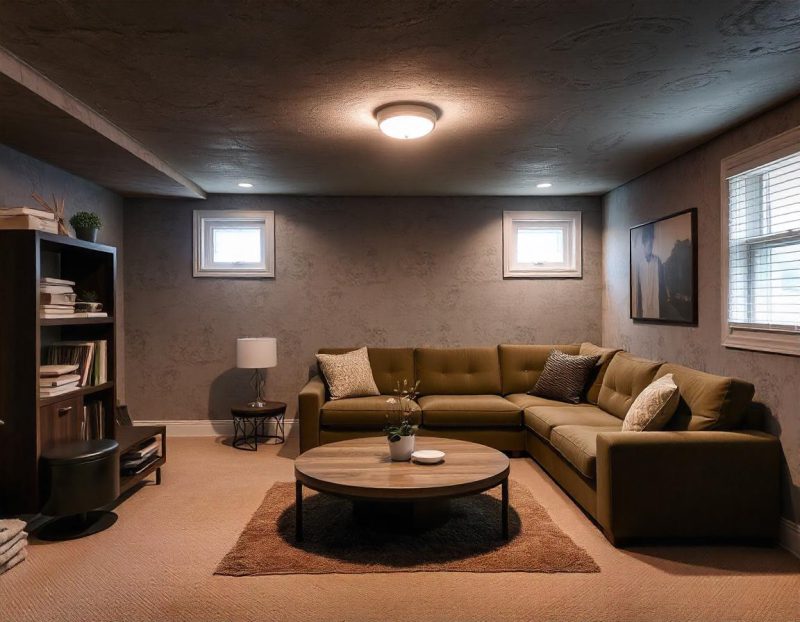
The design phase of your basement conversion is where you can get creative and transform the space into a functional and attractive living area. Whether you’re converting the basement into a family room, a bedroom, or a rental suite, thoughtful design is key to making the most of the available space.
Maximizing Natural Light
Basements typically have limited access to natural light, so incorporating as much light as possible into the design is essential for creating a bright and welcoming space. Here are some ways to maximize natural light in your basement conversion:
- Egress Windows: Not only are egress windows required for basement bedrooms by the Ontario Building Code, but they also provide a source of natural light. Larger egress windows can help make the space feel less like a basement and more like a traditional living area.
- Light Wells: If your basement is partially or fully below ground, you can install light wells outside the windows to allow more natural light to enter the space. Light wells are excavated areas outside the windows that prevent soil from blocking the light.
Open Floor Plans
To make the basement feel more spacious, consider an open floor plan that minimizes the use of interior walls. Open layouts are particularly effective for family rooms or home offices, where a sense of openness and flexibility is desired. If privacy is required, such as for bedrooms or bathrooms, carefully plan the placement of walls to maintain an open feel in the common areas.
Ceiling Design
Low ceilings are a common challenge in basement conversions, but creative ceiling design can help minimize this issue. Here are some ways to make the ceiling feel higher:
- Recessed Lighting: Recessed lighting fixtures are a great option for basements with low ceilings, as they don’t take up headroom. They provide ample light without the need for bulky fixtures that hang down.
- Coffered Ceilings: If your basement has higher ceilings, consider adding a coffered ceiling design, which adds depth and interest to the space while creating the illusion of more height.
Multi-Functional Spaces
When designing your basement, consider how to maximize its functionality by incorporating multi-purpose rooms. For example:
- Home Office and Guest Room: A basement room can serve as both a home office and a guest bedroom by using a Murphy bed or pull-out sofa. This allows you to maintain flexibility in how the space is used.
- Family Room and Play Area: Basements are often ideal for family rooms and play areas for children. Include built-in storage for toys, games, and entertainment equipment to keep the space organized and clutter-free.
4.Incorporating Utilities: Electrical, Plumbing, and HVAC
Converting a basement into a livable space requires careful consideration of utilities such as electrical wiring, plumbing, and heating/cooling systems. These systems must be installed to meet building codes and provide a comfortable environment.
Electrical System
Basements often have limited electrical outlets and may require an upgraded electrical system to support the new living space. Work with a licensed electrician to ensure the following are in place:
- Outlets and Switches: Install enough outlets and light switches to meet the needs of the new space. Consider adding outlets for entertainment systems, home offices, or appliances if you’re creating a basement suite.
- Lighting: Adequate lighting is essential for creating a welcoming basement. Use a combination of recessed lighting, wall sconces, and task lighting to illuminate the space.
Plumbing System
If your basement conversion includes a bathroom, laundry room, or kitchenette, you’ll need to install plumbing lines for water supply and drainage. This may involve extending the existing plumbing system from the upper levels of the home, so it’s important to work with a licensed plumber to ensure the system is up to code.
HVAC System
Proper heating and cooling are essential for making the basement comfortable year-round. If your home’s existing HVAC system can’t handle the additional load, you may need to install a separate system for the basement. Common options include:
- Radiant Floor Heating: This system involves installing heating coils beneath the floor to provide consistent warmth. It’s a great option for basements, which can be cooler than the rest of the house.
- Ductless Mini-Split System: A ductless mini-split system allows for individual temperature control in the basement and doesn’t require ductwork, making it ideal for conversions.

5.Basement Waterproofing and Insulation
Proper insulation and waterproofing are crucial to ensuring that your basement conversion is comfortable and protected from moisture issues. Insulating the walls, floors, and ceiling will help regulate the temperature, while waterproofing measures will prevent water damage and mold growth.
Waterproofing Solutions
As mentioned earlier, waterproofing your basement is essential for preventing water damage. If your basement is prone to leaks or dampness, consider the following solutions:
- Exterior Waterproofing: Sealing the exterior walls of your basement can prevent water from entering. This may involve excavating around the foundation and applying a waterproof membrane.
- Interior Waterproofing: Installing an interior drainage system and sump pump can help manage any water that enters the basement. These systems direct water away from the foundation and out of the basement.
- Dehumidifiers: Adding a dehumidifier to the basement can help control humidity levels and prevent mold growth.
Insulation
Proper insulation is key to making the basement energy-efficient and comfortable. Options for basement insulation include:
- Spray Foam Insulation: Spray foam is highly effective at sealing gaps and preventing drafts. It’s a good choice for insulating basement walls and can also help with soundproofing.
- Rigid Foam Insulation: Rigid foam boards can be installed against basement walls to provide a layer of insulation and moisture protection.
6.Fire Safety and Egress Requirements
Basement conversions must comply with fire safety regulations to ensure the safety of the occupants. One of the key requirements is providing a means of egress (exit) in case of an emergency.
Egress Windows
If you’re adding a bedroom to your basement, the Ontario Building Code requires that you install an egress window that can be used as an emergency exit. The window must be large enough for a person to escape through and must open fully without obstruction. Egress windows also provide natural light and ventilation for basement rooms.
Fire Alarms and Smoke Detectors
Ensure that your basement conversion is equipped with smoke detectors and fire alarms, as required by the building code. These devices should be interconnected with the rest of the home’s fire alarm system to provide full coverage in case of a fire.
Fire-Resistant Materials
Consider using fire-resistant materials, such as drywall and insulation, to improve fire safety in the basement. Fire-rated doors may also be required for certain areas, such as between the basement and the upper floors.
Basement conversions are a practical and cost-effective way to maximize your home’s space in Toronto. Whether you’re creating a new family room, guest suite, or rental unit, converting your basement can significantly increase your home’s value and functionality. By carefully planning the layout, navigating zoning and permit requirements, and incorporating modern design elements, you can transform your basement into a comfortable and stylish living space. Contact Maple Star Builders today for affordable, high-quality renovation services in Toronto and the GTA.
References:
-
- City of Toronto – Basement Requirements and Zoning By-Laws.
City of Toronto. Available at: https://www.toronto.ca/services-payments/building-construction/toronto-building/zoning/ - City of Toronto – Building Permits for Home Renovations.
City of Toronto. Available at: https://www.toronto.ca/services-payments/building-construction/apply-for-a-building-permit/ - Ontario Building Code – Basement Egress Requirements.
Ontario Ministry of Municipal Affairs and Housing. Available at: https://www.ontario.ca/laws/regulation/120332 - Canada Mortgage and Housing Corporation – Basement Apartments and Secondary Suites.
CMHC. Available at: https://www.cmhc-schl.gc.ca/blog/2021/secondary-units-on-municipal-estimates-what-contributes-disparities - Energy Star – Insulation and Energy Efficiency.
Energy Star. Available at: https://www.energystar.gov/saveathome/seal_insulate
- City of Toronto – Basement Requirements and Zoning By-Laws.
