
1.Understanding Zoning Laws and Secondary Suite Regulations in Toronto
What Is a Secondary Suite?
A secondary suite, often referred to as an accessory dwelling unit (ADU), is a self-contained living space within a property that typically includes a kitchen, bathroom, bedroom, and living area. In Toronto, secondary suites can be located in basements, attics, or garages, and they are often used as rental units or private accommodations for family members.
Zoning and Land Use Considerations
Toronto’s zoning bylaws regulate whether you can add a secondary suite to your property, as well as the conditions under which a garage conversion can be approved. Some key zoning considerations for garage conversions include:
- Residential Zoning: Ensure that your property is zoned for residential use and that adding a secondary suite is allowed in your neighborhood.
- Parking Requirements: Toronto’s zoning bylaws may require you to provide additional parking spaces when creating a secondary suite. Since converting a garage typically removes an existing parking spot, you may need to provide an alternative, such as a driveway or off-street parking.
- Setback Requirements: Some zoning bylaws mandate setbacks, which are the minimum distances between the garage and property boundaries. These requirements must be met before a conversion can take place.
Legalizing a Secondary Suite
To convert your garage into a legal secondary suite, the unit must meet the following requirements under the Ontario Building Code and Toronto’s secondary suite regulations:
- Minimum Ceiling Height: The suite must have a ceiling height of at least 6 feet 5 inches (1.95 meters) in all living areas.
- Fire Safety: The unit must have proper fire separations, smoke alarms, and carbon monoxide detectors, as well as a second means of egress in case of emergency.
- Separate Entrance: The secondary suite must have its own entrance, which can be separate from or shared with the main house.
2.Obtaining Building Permits and Approvals
Once you’ve confirmed that your garage conversion is allowed under Toronto’s zoning laws, the next step is to obtain the necessary permits. Converting a garage into a secondary suite is considered a major renovation, so building permits are required to ensure the work meets Ontario Building Code standards.
Types of Permits Needed for Garage Conversions
The following permits are typically required for garage conversions in Toronto:
- Building Permit: A building permit is needed for any structural changes, such as removing the garage door, installing new walls, or modifying the roof.
- Plumbing Permit: If your secondary suite will include a bathroom or kitchen, you’ll need a plumbing permit to install or extend the water and drainage systems.
- Electrical Permit: Installing new wiring, outlets, or lighting requires an electrical permit, which ensures that all work complies with safety regulations.
When applying for these home addition permits, you’ll need to submit detailed plans that include the layout of the new secondary suite, the location of utilities, and any structural modifications.
The Approval Process
3.Designing a Functional and Comfortable Secondary Suite
Designing a garage conversion requires careful planning to maximize the available space and create a comfortable, livable environment. Since garages are typically smaller than other parts of the home, thoughtful design choices are essential to make the most of the square footage.
Optimizing the Layout
When designing the layout of your garage conversion, prioritize functionality and efficient use of space. Some key design tips include:
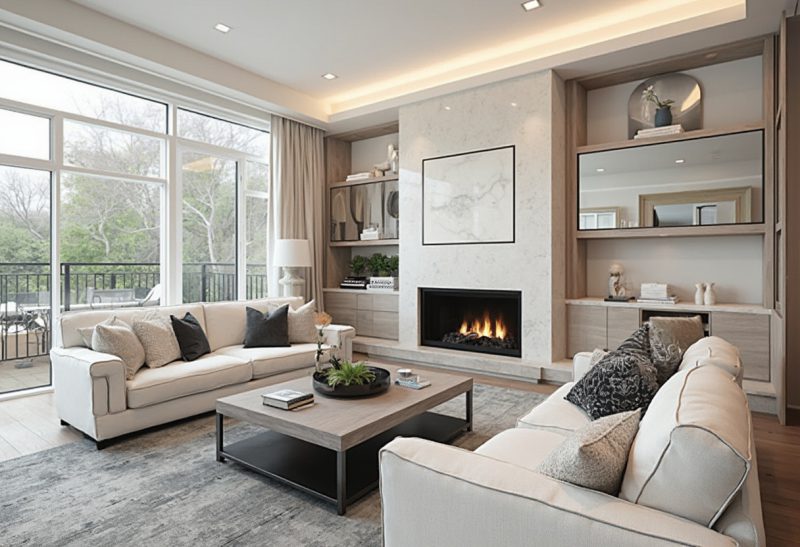
- Open Floor Plan: Use an open floor plan to create a sense of spaciousness. By minimizing interior walls, you can make the unit feel larger and more open.
- Multi-Functional Furniture: Incorporate multi-functional furniture, such as fold-out sofas, Murphy beds, or built-in storage, to save space while maintaining comfort.
- Dedicated Zones: Clearly define areas for sleeping, cooking, dining, and lounging to ensure the space is well-organized and functional. A compact kitchen with a small dining area and a cozy living room can fit well in a garage conversion.
Maximizing Natural Light
Garages typically have limited natural light, so finding ways to brighten the space is essential. Large windows or glass doors can bring in natural light and make the suite feel more open and inviting. Consider replacing the garage door with:
- Sliding Glass Doors: These doors provide easy access to outdoor areas while maximizing natural light.
- Large Windows: Adding larger windows to the front and sides of the garage can increase light flow and ventilation.
Soundproofing and Insulation
Since garages are often located near busy streets or neighbors, soundproofing is important for creating a quiet, comfortable living space. Consider adding soundproof insulation to the walls, floor, and ceiling to reduce noise from outside or other parts of the home.
Insulation is also key to maintaining a comfortable temperature year-round. Proper insulation in the walls, ceiling, and floors will help keep the secondary suite warm in the winter and cool in the summer, while also reducing energy costs.
4.Utilities and Systems: Electrical, Plumbing, and HVAC
Installing and upgrading utilities is a major part of converting a garage into a livable secondary suite. You’ll need to ensure that the electrical, plumbing, and HVAC systems are designed to meet the needs of the new space.
Electrical System
Work with a licensed electrician to install adequate electrical outlets, lighting, and appliances for the secondary suite. Consider the following when planning the electrical system:
- Outlets: Ensure there are enough outlets in each zone of the suite, especially near the kitchen and living areas.
- Lighting: Install a combination of overhead lighting, task lighting, and ambient lighting to create a well-lit space. Recessed lighting is a good option for areas with lower ceilings.
Plumbing System
If your garage conversion includes a kitchen or bathroom, you’ll need to extend the plumbing system to the garage. This can involve significant work, especially if the garage is detached or far from the main plumbing system. Common plumbing needs include:
- Water Lines: Install new water supply lines for sinks, showers, and toilets.
- Drainage: Ensure proper drainage for the bathroom and kitchen areas. You may need to install a sewage pump if the garage is below the level of the home’s existing sewage system.
Heating, Ventilation, and Air Conditioning (HVAC)
Since garages are often not connected to the home’s existing HVAC system, you’ll need to install a separate system for the secondary suite. Options include:
- Ductless Mini-Split Systems: These systems provide both heating and cooling without requiring ductwork, making them ideal for garage conversions.
- Radiant Floor Heating: Radiant floor heating can be installed under the floor to provide consistent warmth, which is particularly useful in Toronto’s cold winters.
5.Meeting Fire Safety and Accessibility Standards
Creating a legal secondary suite involves meeting strict fire safety and accessibility standards as outlined in the Ontario Building Code. These requirements are designed to protect the occupants and ensure the unit is safe for rental purposes.
Fire Safety Requirements
Fire safety is a top priority in secondary suites, and your garage conversion must meet the following requirements:
- Fire Separation: There must be a proper fire separation between the secondary suite and the rest of the house, including fire-resistant materials in walls, floors, and ceilings.
- Smoke Alarms and CO Detectors: Install interconnected smoke alarms and carbon monoxide detectors in the suite, ensuring they meet the latest fire safety standards.
- Egress Windows: If the secondary suite includes a bedroom, it must have an egress window large enough for a person to escape in case of fire. The window must open fully and be easily accessible.
Accessibility Considerations
Toronto encourages accessible housing, and certain secondary suites may need to comply with accessibility standards, especially if intended for seniors or tenants with disabilities. Consider the following:
- Door Widths: Ensure doorways are wide enough to accommodate wheelchairs or walkers.
- Ramps or Step-Free Access: If possible, design the entrance to the secondary suite with step-free access or a ramp to improve accessibility for tenants with mobility challenges.
6.Budgeting for a Garage Conversions
Converting a garage into a secondary suite is a significant financial investment. The cost of a garage conversion in Toronto can range from $60,000 to $150,000 or more, depending on the complexity of the project and the materials used.
Factors Influencing Cost
Several factors will impact the overall cost of your garage conversion:
- Size and Scope: Larger conversions with more rooms or bathrooms will naturally cost more. The inclusion of luxury finishes or high-end materials can also drive up the price.
- Utilities and Systems: Extending electrical, plumbing, and HVAC systems to the garage can significantly increase costs, especially if the garage is far from the home’s main systems.
- Labor Costs: Labor costs in Toronto vary depending on the contractor’s experience and the complexity of the work. Be sure to get multiple quotes and work with licensed professionals who specialize in secondary suites.
Financing Options for Garage Conversions to Secondary Suites
If you don’t have the funds available upfront, several financing options can help you pay for the conversion:
- Home Equity Loans: These loans allow you to borrow against the equity in your home, offering competitive interest rates for renovation projects.
- Government Grants: Check if you qualify for any government grants or incentives aimed at creating affordable rental housing in Toronto.
Garage conversions offer a unique and valuable opportunity to create legal secondary suites in Toronto. Whether you’re looking to increase your living space, accommodate family members, or generate rental income, converting your garage into a secondary suite can significantly boost your property’s value. By understanding Toronto’s zoning laws, obtaining the necessary permits, and designing a functional living space, you can successfully transform your garage into a comfortable, livable unit.
References
- City of Toronto – Zoning By-Laws for Secondary Suites.
City of Toronto. Available at: https://www.toronto.ca/city-government/planning-development/planning-studies-initiatives/secondary-suites/overview-secondary-suites/ - City of Toronto – Building Permits for Secondary Suites.
City of Toronto. Available at: https://www.toronto.ca/services-payments/building-construction/toronto-building/permits/ - Ontario Building Code – Fire Safety Requirements for Secondary Suites.
Ontario Ministry of Municipal Affairs and Housing. Available at: https://www.ontario.ca/page/building-code - Canada Mortgage and Housing Corporation – Guide to Secondary Suites.
CMHC. Available at: https://www.cmhc-schl.gc.ca/en/professionals/project-funding-and-mortgage-financing/municipalities-developers-renovators/secondary-suites - Energy Star – Energy-Efficient Appliances for Secondary Suites.
Energy Star. Available at: https://www.energystar.gov/products/appliances
