
Factors Affecting Whole House Renovation Costs
Several key factors influence the overall cost of a whole house renovation:
Size of the home:
Bigger houses naturally demand additional materials and manpower, resulting in increased expenses. This is due to the increased square footage and complexity of the construction process. Consequently, larger homes typically incur higher construction costs compared to smaller ones.
Scope of the renovation:
The scope of the renovation, whether it’s just a minor update or a total transformation, will have a major effect on the budget. The level of renovation work, whether it involves just updating a few things or completely redoing the space, will play a crucial role in determining the overall budget for the project.
Material choices:
Opting for premium materials and finishes will result in higher expenses than choosing standard alternatives. This decision may raise the overall project budget, but it can also enhance the quality and aesthetics significantly.
Labor costs:
The expense of workforce fluctuates based on the intricacy of the task and the prevailing conditions in the local market. This means that the cost of labor can be influenced by factors such as project complexity and the state of the local market. Additionally, the price of labor may differ depending on the specific skills required for the project.
Location:
Renovation costs can differ between Toronto, Etobicoke, Richmond Hill, Markham, Vaughan, Mississauga, North York, and Newmarket due to factors like housing prices and competition.
Permits and fees:
Getting the required authorizations and covering the accompanying expenses increases the total amount of expenditure. It’s important to budget for permit costs in advance to avoid any surprises later on.
Average Whole House Renovation Costs in Toronto and the GTA
While it’s challenging to provide exact figures due to the variability of projects, we can estimate average costs based on historical data and current market trends.
Note: The following estimates are based on general averages and may vary depending on the specific factors mentioned above.
|
City |
Standard Renovation Cost per Square Foot |
High-End Renovation Cost per Square Foot |
|
Toronto |
$100 – $120 |
$200 – $220 |
|
Etobicoke |
$95 – $115 |
$180 – $200 |
|
Richmond Hill |
$100 – $120 |
$200 – $220 |
|
Markham |
$105 – $125 |
$210 – $230 |
|
Vaughan |
$108 – $128 |
$215 – $235 |
|
Mississauga |
$98 – $118 |
$190 – $210 |
|
North York |
$102 – $122 |
$205 – $225 |
|
Newmarket |
$100 – $120 |
$200 – $220 |

Breaking Down Renovation Costs
To gain a clearer insight into the cost breakdown, let’s delve into the primary elements that comprise a complete home remodeling project. Understanding these components will provide us with a comprehensive view of the renovation expenses, allowing us to make informed decisions about our project.
Demolition and removal:
Don’t forget this phrase: “This includes taking the house down to its bare bones, which means getting rid of walls, floors, and fittings.”
Structural work:
This involves strengthening or adjusting the building’s framework to make room for alterations. It’s important to ensure that the building’s structure can support any modifications.
Plumbing and electrical:
Upgrading or replacing plumbing and electrical systems is often necessary.
HVAC:
Installing or replacing heating, ventilation, and air conditioning systems can be costly.
Insulation:
Proper insulation is crucial for energy efficiency and comfort.
Drywall and painting:
These are essential for creating a finished look.
Flooring:
Keep in mind that the type of flooring you select, such as hardwood, tile, or carpet, will have a significant effect on the overall costs of your project. It’s important to carefully consider the long-term maintenance requirements of each option before making a decision.
Kitchen and bathroom renovations:
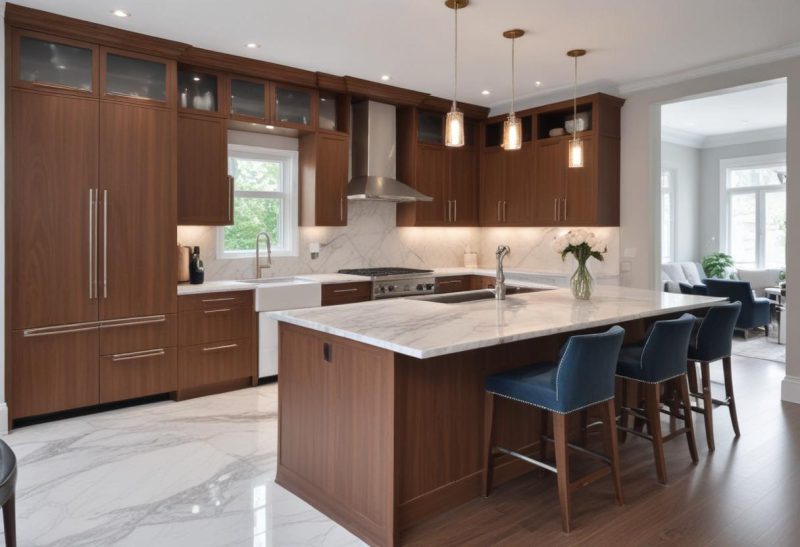
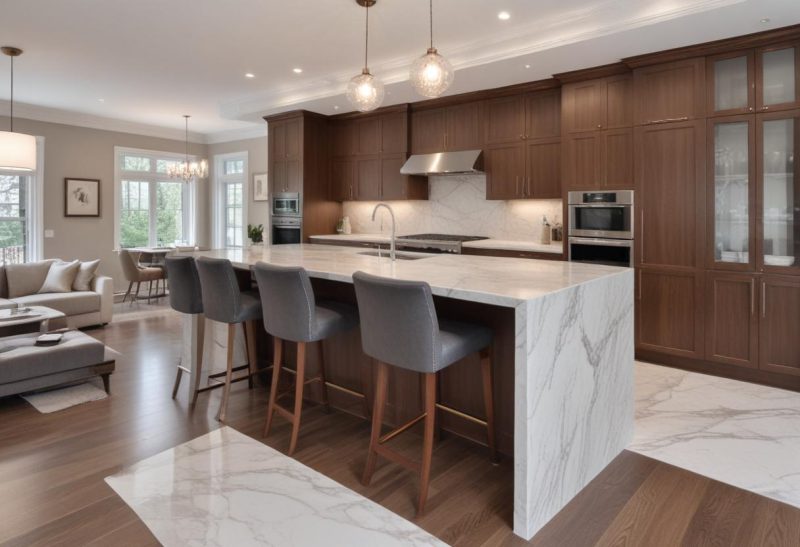
Renovating your kitchen and bathroom can be a substantial but worthwhile investment. These spaces are essential to your daily life and adding value to your home. Upgrading these areas not only enhances your living space but also increases the overall appeal and functionality of your home. Investing in these renovations can greatly improve the comfort and aesthetics of your living space, making it a valuable and rewarding endeavor.
Cabinetry and countertops:
High-quality cabinetry and countertops can significantly increase costs.
Appliances:
New appliances are often needed for kitchen and laundry areas.
Lighting:
Installing new lighting fixtures can enhance the overall ambiance.
Finishing touches:
This includes trim, moldings, and other decorative elements.
Tips for Budgeting Your Renovation
To effectively manage your renovation budget, consider the following tips:
Prioritize needs versus wants:
Consider distinguishing between necessities and desires, and address critical renovations before considering others. Remember that focusing on essential upgrades first can help you make the most of your resources and time.
Explore cost-effective alternatives:
Consider exploring budget-friendly options such as reclaimed materials or cost-effective finishes.
DIY projects:
If you have skills, you can save money by doing some work yourself.
Shop around for quotes:
Make sure to get quotes from different contractors and compare them to find the most competitive price. It’s always wise to negotiate for the best deal possible.
Build in a contingency fund:
Remember to set aside a portion of your budget for unexpected expenses as they may occur. It’s important to have a contingency fund to handle any unforeseen costs that may arise. This can provide you with peace of mind and financial security in case of emergencies. Additionally, having a contingency fund allows you to be better prepared for any unexpected financial challenges that may come your way.
Undertaking a whole house renovation is a significant investment, but it can also add substantial value to your home. By carefully considering the factors that impact costs, breaking down the project into manageable components, and following budgeting tips, you can successfully plan and execute your renovation while staying within your financial limits.
Remember: Prices can fluctuate, and it’s essential to get quotes from local contractors for accurate estimates.
Looking to renovate your home in Toronto or the Greater Toronto Area? Look no further than Maple Star Builders. Our team has a solid reputation for delivering top-notch results and specializes in turning ordinary homes into extraordinary living spaces. We take pride in our skilled professionals who are dedicated to both high-quality work and customer happiness. Whether you’re located in Toronto, Etobicoke, Richmond Hill, Markham, Vaughan, Mississauga, North York, or Newmarket, we provide customized renovation services that fit your requirements and budget. Contact us today to chat about your project and get a complimentary estimate.
