
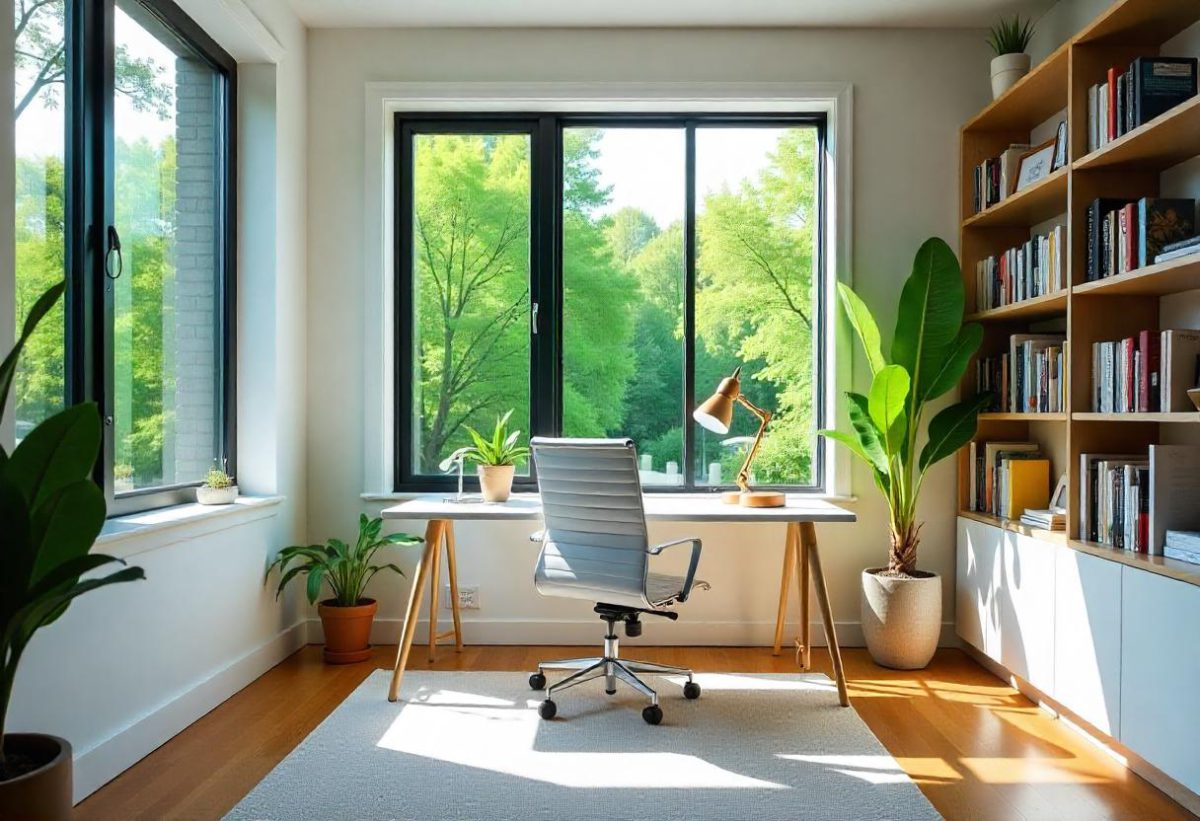
1.Understanding the Benefits of a Home Office Conversion
Increased Property Value
Home additions have become a sought-after feature for buyers in Toronto’s real estate market. Many potential buyers now prioritize properties with functional workspaces, especially those equipped with modern amenities like high-speed internet access, built-in storage, and ergonomic designs. According to real estate experts, a well-designed home office can boost property value by 5% to 10%.
Tax Benefits
In Canada, homeowners who use a portion of their home as an office for business purposes may be eligible for tax deductions. These deductions can include a portion of utilities, property taxes, maintenance, and even mortgage interest, depending on how the home office is used. It’s advisable to consult with an accountant to understand how you can benefit from these deductions when converting your space into a home office.
Improved Productivity and Work-Life Balance
Having a dedicated office space can greatly improve productivity, as it creates a separation between work and home life. By setting up an organized and functional workspace, you can reduce distractions and maintain focus during work hours. In turn, this promotes a healthier work-life balance, something that is especially important for remote professionals or small business owners.
2.Choosing the Right Space for Your Home Office Conversion
The success of your home office conversion largely depends on selecting the right location within your home. Several factors should be considered when choosing which room or area to convert, including privacy, natural light, and available space.
Spare Bedroom or Guest Room
One of the most common options for home office conversions is a spare bedroom or guest room. These spaces typically have the advantage of being enclosed, providing privacy and quiet for focused work. If your home has a rarely used guest bedroom, consider converting it into a dual-purpose space by incorporating a fold-out bed or Murphy bed that allows the room to function as both an office and guest accommodation.
Attic or Loft Conversion
For homes with an attic or loft, converting these underused spaces into a home office can be an excellent solution. Attics are often away from the busiest areas of the house, offering the seclusion needed for uninterrupted work. However, it’s essential to ensure the attic has adequate ventilation, insulation, and natural light to make it a comfortable work environment.
Basement Conversion
Basements can also be transformed into productive workspaces, especially if they have sufficient ceiling height and natural light. Basement conversions may require additional work, such as waterproofing, insulation, and proper ventilation, but they offer the opportunity to create a sizable home office with minimal disruption to the rest of the home.
Garage Conversion
If you have an unused garage, converting it into a home office can be a smart way to repurpose the space. Garage conversions typically require more structural changes, including adding insulation, windows, and heating/cooling systems. However, a garage conversion offers a unique opportunity to create a detached home office that provides complete privacy and a quiet environment for work.
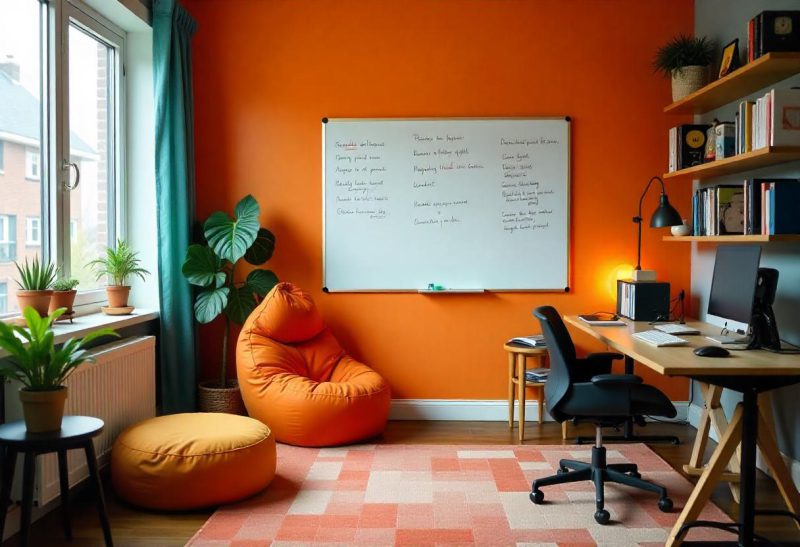
3.Zoning and Building Permits for Home Office Conversions in Toronto
Before starting any home office conversion, it’s important to understand Toronto’s zoning laws and whether building permits are required. Depending on the scope of the project, you may need to obtain permits for structural changes, electrical work, or adding utilities.
Zoning Laws
In most cases, converting an existing room or space within your home into a home office does not require zoning changes. However, if you’re making significant structural changes, such as converting a garage or adding a separate entrance for clients, it’s important to verify whether the conversion complies with local zoning bylaws.
Some key zoning considerations include:
- Home-Based Business Regulations: If you plan to use the home office to meet clients or operate a business, you must ensure that the business complies with Toronto’s home-based business bylaws. These rules limit the types of businesses that can operate from a residential property and may impose restrictions on signage, parking, and noise.
- Parking Requirements: If your home office conversion involves clients or customers visiting the property, you may be required to provide additional parking. This is especially important for garage conversions, where the existing parking space may be eliminated.
Building Permits
If your home office conversion involves structural modifications, such as adding walls, windows, or doors, you may need a building permit. Common projects that require permits include:
- Garage Conversions: Converting a garage into a home office typically involves structural changes that require a building permit, including insulation, electrical work, and plumbing if you’re adding a bathroom.
- Electrical Permits: If you’re installing new wiring, outlets, or lighting, you’ll need an electrical permit to ensure the work complies with the Ontario Electrical Safety Code.
- Plumbing Permits: If you plan to include a bathroom or kitchenette in your home office conversion, a plumbing permit will be required to extend water and drainage lines.
4.Designing a Productive and Comfortable Home Office
Creating a functional and aesthetically pleasing design is essential for any home office conversion. A well-designed workspace can enhance productivity, improve focus, and create a comfortable environment for daily use.
Layout and Space Planning
The layout of your home office should be designed with efficiency in mind. Start by considering how much space you need for work-related activities and storage. Common layout options include:
- L-Shaped Desk: An L-shaped desk provides ample surface area for working, while maximizing corner space. This layout is ideal for multitasking, as it allows you to keep different workstations organized, such as a computer setup on one side and paperwork on the other.
- Standing Desk: Standing desks have become increasingly popular due to their health benefits, such as reducing back pain and improving posture. Consider incorporating a standing desk into your home office design to promote a healthier work environment.
- Dedicated Storage: Built-in shelves, filing cabinets, and custom cabinetry can help keep your workspace organized and clutter-free. Opt for vertical storage solutions to save floor space and keep important documents within reach.
Lighting and Natural Light
Proper lighting is crucial for creating a comfortable and productive home office. Natural light is especially important, as it has been shown to improve mood and focus. If possible, choose a room with large windows or add additional windows to bring in more daylight.
In addition to natural light, incorporate task lighting such as desk lamps or overhead lights to illuminate your workspace. Avoid using harsh fluorescent lights, and instead opt for warm, adjustable lighting that reduces eye strain.
Ergonomic Furniture
Investing in ergonomic furniture is essential for ensuring comfort during long work hours. Some key furniture pieces to include in your home office conversion are:
- Ergonomic Chair: A high-quality, adjustable chair with lumbar support is essential for maintaining proper posture and reducing back pain.
- Adjustable Desk: If a standing desk isn’t an option, consider an adjustable desk that allows you to alternate between sitting and standing throughout the day.
- Footrest and Keyboard Tray: Small ergonomic accessories like a footrest and a keyboard tray can further enhance comfort and reduce strain on your body.
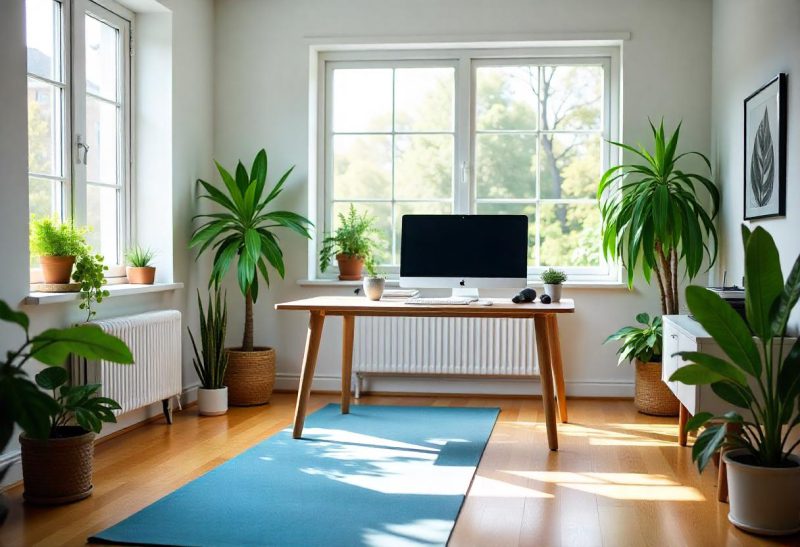
5.Integrating Technology for a Smart Home Office
In today’s digital world, integrating smart technology into your home office can streamline daily tasks, enhance productivity, and improve the overall work experience. When converting a room into a home office, consider the following tech upgrades:
High-Speed Internet
A reliable and fast internet connection is the backbone of any modern home office. For professionals who rely on video conferencing, large file uploads, or cloud-based services, it’s essential to have high-speed internet with sufficient bandwidth. Consider upgrading your internet plan to accommodate the demands of remote work, or install a Wi-Fi booster if your home office is far from the router.
Smart Lighting
Smart lighting systems allow you to control the brightness and color temperature of your office lights using your smartphone or voice commands. By adjusting the lighting based on the time of day, you can reduce eye strain and create a more comfortable work environment. Consider using smart bulbs or light strips that can be dimmed or changed to different hues to suit your preferences.
Smart Thermostats
If your home office is located in an area of the house that doesn’t get consistent heating or cooling, a smart thermostat can help you control the temperature of your workspace. These devices allow you to set schedules and adjust the temperature remotely, ensuring your office stays comfortable throughout the day without wasting energy.
Voice-Controlled Assistants
Voice-controlled assistants, such as Amazon Alexa or Google Home, can help streamline your workday by setting reminders, controlling devices, and even managing your calendar. Integrating a smart assistant into your home office can enhance productivity by allowing hands-free control of various tasks.
6.Budgeting for Your Home Office Conversion
Converting a room into a home office is an investment, and it’s important to set a realistic budget that accounts for all aspects of the project. The cost of a home office conversion in Toronto can range from $5,000 to $20,000 or more, depending on the size of the space and the materials used.
Factors Affecting Cost
Several factors will influence the overall cost of home additions :
- Structural Changes: Projects that involve significant structural changes, such as converting a garage or attic, will typically cost more due to the need for insulation, drywall, and potentially new windows.
- Furniture and Technology: Investing in ergonomic furniture, high-quality lighting, and smart technology can add to the cost, but these upgrades are essential for creating a functional and comfortable workspace.
- Electrical and Plumbing Work: If your conversion involves installing new outlets, lighting, or plumbing (for a bathroom or kitchenette), the cost of hiring licensed professionals will increase the total budget.
Financing Options
If you don’t have the full amount available upfront, several financing options can help cover the cost of a home office conversion:
- Home Equity Loans: These loans allow you to borrow against the equity in your home and often offer lower interest rates than other types of loans.
- Personal Loans: Personal loans can provide the funds needed for smaller-scale home office conversions, although they may come with higher interest rates than home equity loans.
Conclusion
Converting a room or underutilized space into a dedicated home office can significantly increase your property’s value while providing a functional, comfortable workspace for remote work. Whether you’re converting a spare bedroom, attic, basement, or garage, thoughtful design and smart technology integrations can help you create an efficient home office that enhances productivity and work-life balance.
By understanding zoning laws, obtaining the necessary permits, and budgeting for the project, you can ensure that your home office conversion is successful and tailored to your needs. Contact Maple Star Builders today for affordable, high-quality conversion services in Toronto and the GTA.
References
- City of Toronto – Home-Based Business Regulations.
City of Toronto. Available at: https://www.toronto.ca/home/311-toronto-at-your-service/find-service-information/article/?kb=kA06g000001cvWDCAY - City of Toronto – Zoning By-Laws and Building Permits.
City of Toronto. Available at: https://www.toronto.ca/city-government/planning-development/zoning-by-law-preliminary-zoning-reviews/ - Canada Revenue Agency – Home Office Tax Deductions.
CRA. Available at: https://www.canada.ca/en/revenue-agency/services/tax/individuals/topics/about-your-tax-return/tax-return/completing-a-tax-return/deductions-credits-expenses/line-22900-other-employment-expenses/work-space-home-expenses.html - Energy Star – Smart Home and Energy-Efficient Technology.
Energy Star. Available at: https://www.energystar.gov/products/ask-the-experts/save-energy-smart-home-products
